
Introduction: What Do Google Ads and Budget Airlines Have in Common?
The Parallels of Efficiency
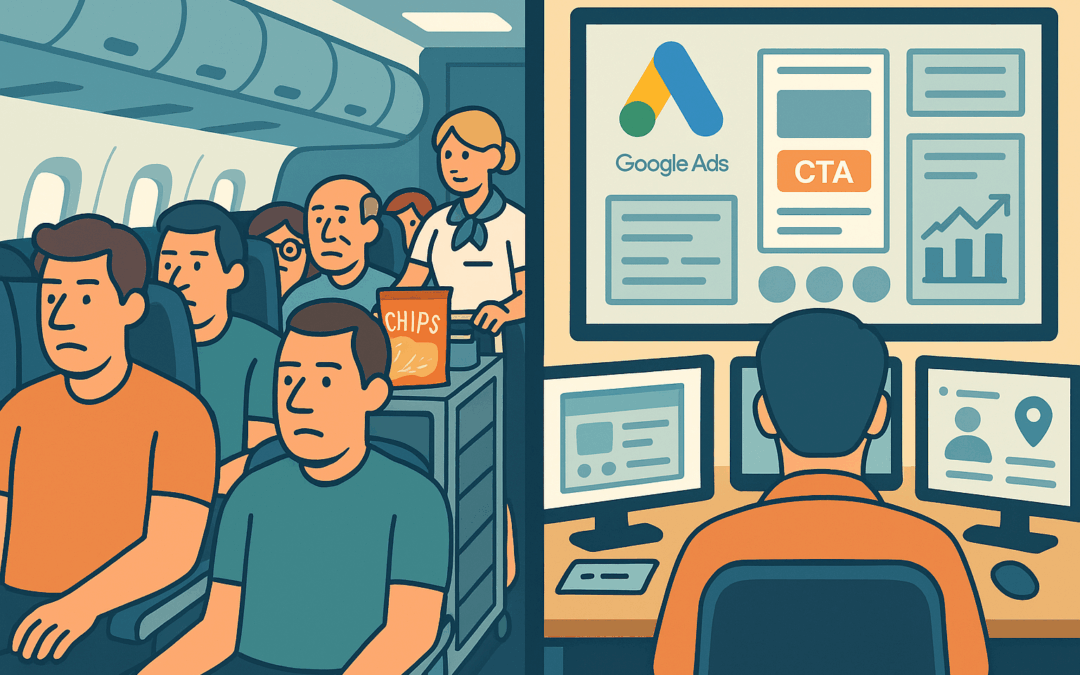
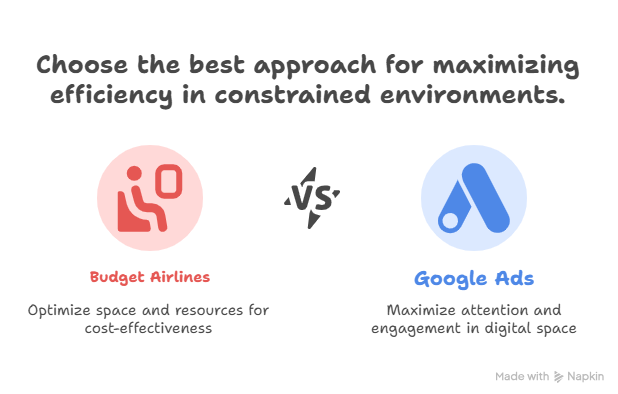
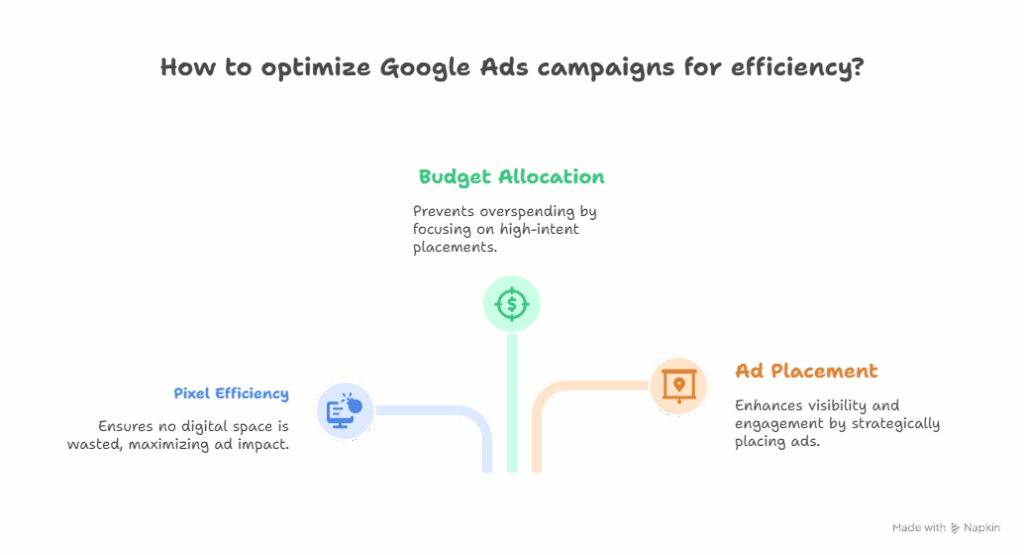
Besides the shared feeling of claustrophobia and unexpected turbulence, budget airlines and Google Ads are both masterclasses in making the most of tight spaces. Every square inch (or pixel) is monetized, every move optimized. One crams humans into airborne sardine cans with alarming efficiency, the other fights for a millisecond of attention in the ever-scrolling digital feed. Both, though, thrive in constraint—and that’s where smart marketers come in.
Why Marketers Should Take Notes from Airline Economics
Low-cost carriers figured it out first: no frills, pure function. As marketers, we’re often tempted to overdo—endless A/B tests, ten-slide carousels, CTAs buried under layers of clever copy. But when ad space is as cramped as a Ryanair legroom, you need precision, clarity, and efficiency.
The Power of Precision: Why Targeting Beats Blasting
How Budget Airlines Optimize Every Seat
Did you know that budget airlines price every seat based on algorithms analyzing over 30 data points? From weather patterns to weekday demand, it’s all about targeting the right passenger at the right time.
How Google Ads Makes Every Pixel Count
Similarly, Google Ads auctions ad placements based on quality score, bid, and expected impact. You’re not paying for space; you’re paying for visibility that matters. Just like how I once paid $38 for an aisle seat on a 90-minute flight and still felt robbed—Google Ads demands you know where to aim or risk wasting your cash.
Behavioral Targeting in Google Ads Manager
Forget the “spray and pray” method. One of my favorite tight-budget wins involved targeting high-intent users based on recent search history. We ran a campaign selling ergonomic office chairs (yes, seriously), targeting users who searched for “back pain after remote work.” Click-through rates soared. My chiropractor rejoiced.
Clear CTAs Over Clever Copy: The Direct Flight to Conversions
Cabin Instructions vs. Complicated Campaign Messaging
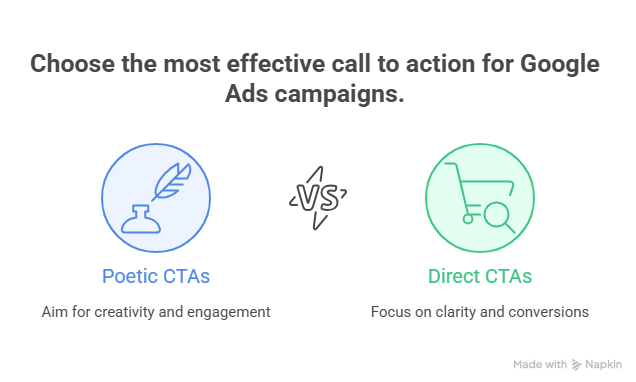
Ever noticed how airline safety instructions are painfully simple? “Seatbelt here. Oxygen there. Don’t panic.” Your ads should take a similar tone. In one campaign, I swapped a poetic “Transform Your Workspace Today” for “Buy Your Desk Now.” Result? 2x more conversions. People just want to know where to click before the metaphorical plane crashes.
Examples of High-Performing CTAs in Google Ads
- “Shop Deals Now” – urgency and clarity
- “Book a Free Call” – low commitment, high value
- “Start Free Trial” – everyone loves the word free
If your CTA needs a decoder ring, it’s time to rewrite.
Lean Execution: Doing More with Less Budget
What Marketers Can Learn from Low-Cost Carriers
Budget airlines cut costs by flying newer planes (less maintenance), outsourcing meals (hello, €7 Pringles), and charging for, well, everything. This isn’t stingy—it’s strategic. Likewise, lean campaigns force us to focus only on what works.
Building Campaigns for Impact, Not Over-Engineering
I once built a campaign with a team that insisted we test 15 audience segments, five headline variations, and three landing pages. What worked best? The exact message we initially mocked: “We fix websites. Book a call.” Simplicity sells. And saves.
Understanding Where Your Audience “Sits”
Audience Segmentation Inside Google Ads Manager
Much like how airlines assign seats based on what you’re willing to pay (aisle, window, or “beside the bathroom”), Google Ads allows pinpoint targeting. Use in-market audiences, custom intent, and demographic layering to seat your message next to the most relevant eyeballs.
Contextual Placements and Device-Specific Targeting
Are your users desktop dwellers or mobile maniacs? Ads optimized for mobile are like aisle seats—easy access, fast decisions. I learned this the hard way after launching a desktop-heavy landing page and realizing 92% of our traffic came from smartphones. Oops.
Case Study: A Tight-Budget Campaign That Delivered Big
Campaign Objective and Constraints
Client: a tiny SaaS startup.
Budget: $400/month.
Goal: get users to sign up for a free trial.
The twist? The client had zero brand awareness and a highly niche product: workflow automation for small legal firms.
Execution and Creative Tactics
We built a single landing page, ran two ad sets: one targeting “legal tech” keywords, another targeting competitor brand names. Ad copy was brutally clear: “Legal Workflow Slowing You Down? Try [Product] Free.”
Results and Key Takeaways
In month one, 63 trials. Cost per acquisition? $6.34. That’s cheaper than most airport sandwiches. It wasn’t fancy, but it worked.
Re-Mapping Your Funnel: Lessons from the Aisle Seat
Aligning Funnels to Audience Journey
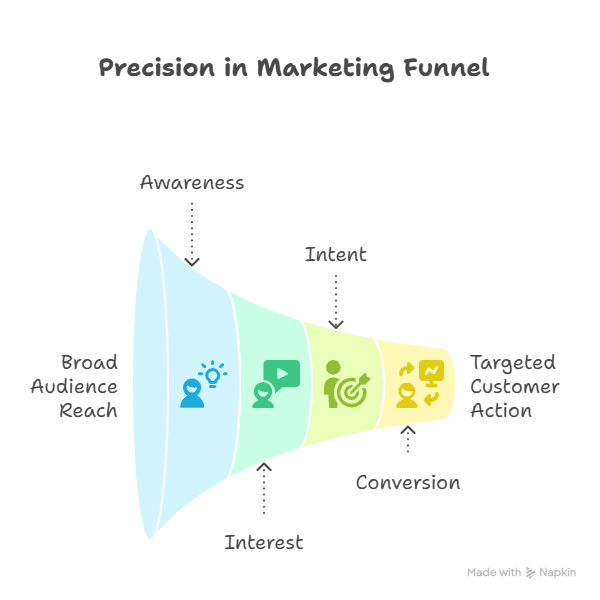
Many marketers build beautiful top-of-funnel campaigns, then wonder why nobody converts. That’s like boarding passengers without assigning seats. Map the funnel with precision: awareness → interest → intent → conversion.
Minimizing Drop-Off with Better Ad Placement
One client saw a 40% drop in conversions after moving ads from YouTube search to YouTube display. Why? Wrong place, wrong mindset. Re-map your funnel and your ad placements, or risk wandering the terminal aimlessly.
Common Mistakes That Turn Your Campaign into a Middle-Seat Experience
Generic Copy and Broad Audience Issues
If your ad starts with “We help businesses grow,” congratulations—you’ve just boarded the campaign equivalent of the middle seat: vague, uncomfortable, and easy to ignore.
Ignoring Mobile-First Experiences
Over 70% of ad traffic today is mobile. Yet many landing pages are still designed for 24-inch screens. Test your ads on a phone. If you can’t navigate with one thumb while holding a coffee, neither can your user.
Pro Tips for Efficient Advertising on Google Ads
Using Google Ads Manager Like a Pro
Set up conversion tracking correctly. Use negative keywords. Segment your audiences. And for the love of all that is click-worthy, don’t hit “publish” without reviewing placements.
Budget Allocation for High-Intent Placements
Put more money into bottom-of-funnel actions. I’ve watched clients sink thousands into awareness videos while ignoring branded search campaigns. That’s like serving champagne to the folks in coach while ignoring the pilots.
Future Trends: Efficiency in AI-Driven Ad Buying
Performance Max Campaigns
Performance Max is Google Ads’ attempt at flying the plane for you. It can work brilliantly, but only if you feed it the right audience signals and creative assets. Otherwise, it’s autopilot to nowhere.
Smart Bidding and Budget Efficiency
Smart Bidding can optimize your budget based on conversions, but remember: AI works best with data. Feed it garbage and it’ll serve you the equivalent of a soggy in-flight sandwich.
Conclusion: Your Campaign Seat Assignment
Efficiency Is a Mindset, Not a Budget
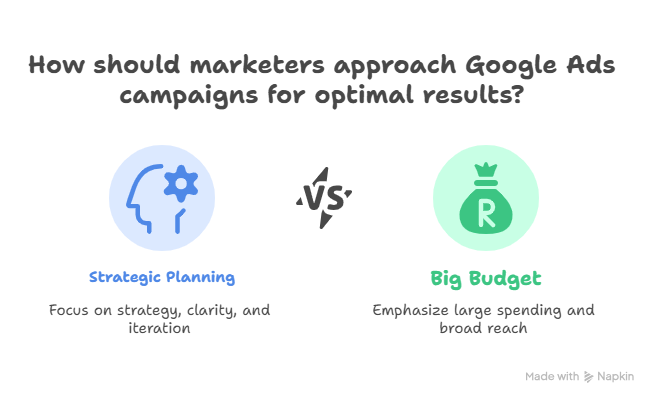
Google Ads, like air travel, rewards those who plan smart and pack light. You don’t need a big budget—you need strategy, clarity, and a willingness to test, fail, and iterate.
Marketing in Cramped Spaces Can Still Soar
Think like a budget airline: every decision should serve a purpose. Don’t waste pixels. Don’t waste dollars. And never, ever underestimate the power of a good aisle seat—er, ad placement.
FAQs
What is the best way to optimize Google Ads on a small budget?
Focus on high-intent keywords, use narrow audience targeting, and allocate most of your budget to bottom-funnel campaigns. Always test, always tweak.
How can I improve targeting inside Google Ads Manager?
Use in-market audiences, custom intent segments, and negative keywords to refine your targeting. Layer demographics and device types to narrow your reach.
What’s the difference between clever copy and effective CTAs?
Clever copy is fun to read. Effective CTAs drive clicks. When in doubt, clarity wins.
How do low-budget campaigns still perform well?
By focusing on relevance, targeting the right people, and optimizing ad creative for quick decisions. Strategy beats spend.
What are signs that your funnel needs re-mapping?
Low conversion rates, high drop-offs after the first click, and poor engagement metrics are all signs your funnel is misaligned with your audience journey.